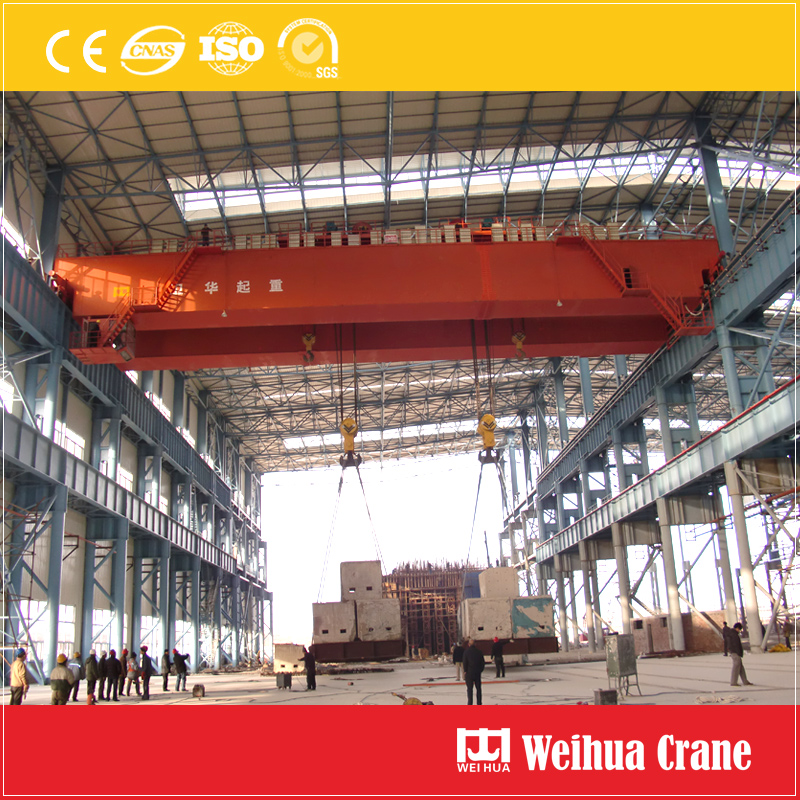
The hook is one of the important components of the bridge crane. When it is worn to a certain extent, it will bring serious hidden dangers to the safety production of the bridge crane and even cause personal casualties. Therefore, my country's national standards strictly stipulate that when the wear of the vertical dangerous section of the overhead crane hook reaches or exceeds 5%, it must be scrapped, and the hook is not allowed to be used after other treatments.
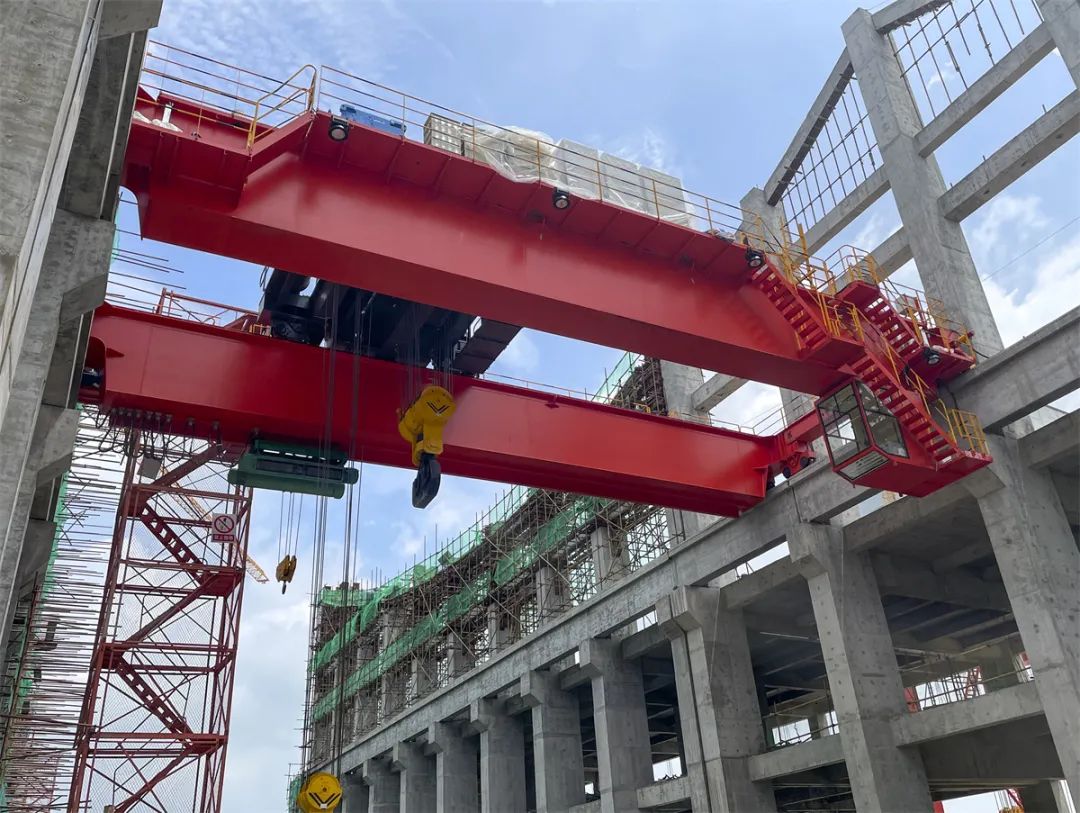
As we all know, cranes are busy at work and the working site conditions are harsh. The hooks of overhead cranes are generally used for about one year.
The wear amount of its vertical dangerous section exceeded the limit specified by national standards, so it had to be scrapped. Hook life is short and the resulting repair costs are high.
One of the main causes of hook wear is the friction between the hook and the wire rope during operation of the truck crane and during hoisting operations. When the truck crane is in operation, the hook is usually hung by a wire rope lock in front of the driver's cab or on the platform in front of the control room. Both ends of the wire rope that locks the hook are hung on two hooks on the chassis of the car to fix the hook and prevent it from shaking. Because truck cranes often travel at varying speeds on roads with varying road conditions, this causes relative movement between the hook and the wire rope, causing wear and tear on the hook. This wear surface happens to be on the vertical dangerous section of the hook. For this reason, the external environment of the hook must be appropriately improved to reduce or avoid wear and tear.
In addition, a wear-resistant anti-wear sheet is wrapped on the vertical dangerous section of the hook to avoid wear of the hook. The main body of the wear-resistant sheet is made of wear-resistant rubber, with an appropriate thickness of 10mm. Some thin steel wires are embedded on the wear surface to increase its wear resistance. A 4mm thick iron wire is also embedded laterally at both ends of the wear plate to fix the wear plate on the hook. Then, fix the wear plate on the vertical dangerous section of the hook. At this point, the sling can only wear the anti-wear piece fixed on the hook, which plays a role in protecting the hook.
This kind of wear protection sheet has the following characteristics:
1. The anti-wear effect is good and can effectively block the direct wear and tear of the sling on the hook.
2. Long service life, using wear-resistant rubber and fine steel wire embedded in each other to slow down wear.
3. It does not affect the stress on the hook. Due to the unique characteristics and softness of rubber, it can bend at will when stress is applied.
4. The structure is simple and easy to disassemble and assemble. Can be operated on site.
5. The manufacturing process is simple, the materials are easy to obtain, the cost is low, and it has good practical application value.
As mentioned above, after using this kind of wear-resistant sheet, the hook of a small overhead crane is protected to the maximum extent, extending its service life, reducing costs, ensuring safe production in hoisting operations, and achieving considerable economic benefits.